
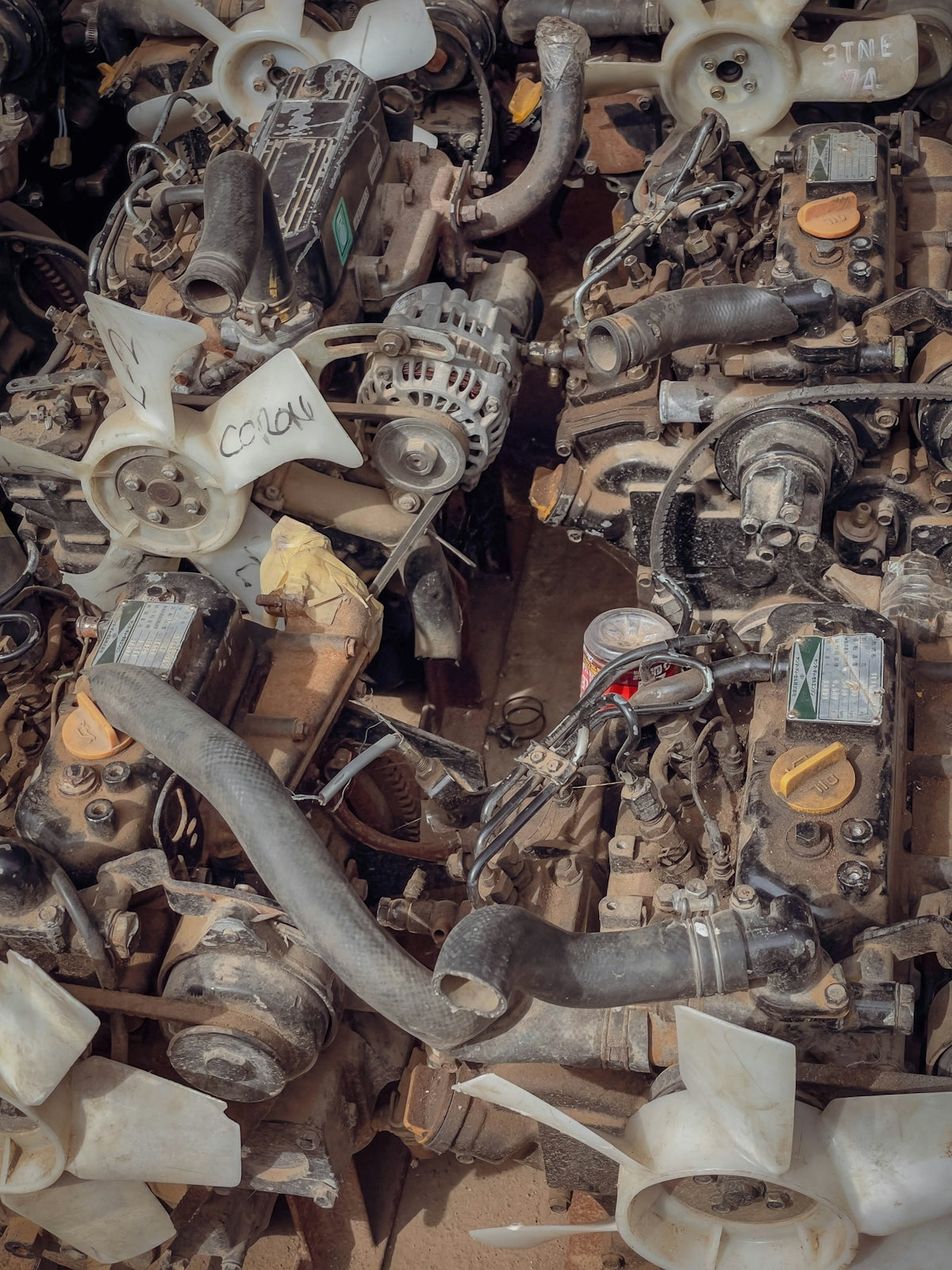
When choosing between a diesel and a gasoline engine, it's crucial to understand the fundamental differences that affect performance, efficiency, and maintenance. Whether it's for a personal car, commercial truck, or an industrial machine, the choice of engine type can significantly impact operational costs and environmental considerations. Here are five key differences between diesel and gasoline engines that you should consider:
1. Combustion Process
The primary distinction between these two engine types is the combustion process. Gasoline engines rely on a spark plug to ignite the air-fuel mixture, whereas diesel engines rely on compression ignition. This means that in diesel engines, the air is compressed first, and then the fuel is injected, causing it to burn due to the heat from compression.
2. Fuel Efficiency
Diesel engines are generally more fuel-efficient than gasoline engines. This is because diesel fuel contains more energy per gallon and the compression ignition process is more efficient. For vehicles relying on diesel engines, using quality fuel filters, such as the PFF32715 Racor 6.4L Navistar Maxxforce 7 engine fuel filter kit, is crucial for maintaining this efficiency over time by ensuring clean fuel is delivered to the engine.
3. Torque and Power Output
Diesel engines are known for delivering higher torque than gasoline engines, making them ideal for heavy trucks and industrial machinery. This is due to their design, which allows for more robust power delivery at lower RPMs. On the other hand, gasoline engines generally provide quicker acceleration and higher RPMs, which cater to different performance needs, such as in sports vehicles.
4. Engine Longevity and Maintenance
Diesel engines typically have a longer lifespan compared to gasoline engines. This longevity is attributed to their robust construction and the nature of fuel combustion. However, maintenance for diesel engines can sometimes be more complex. Products like the 812MA Parker Racor SINGLE 812 SERIES- 720 GPH- METAL BOWL play a vital role in ensuring the longevity of diesel engines by effectively filtering out contaminants.
5. Environmental Impact
Diesel engines have traditionally been seen as more polluting in terms of particulate matter and NOx emissions compared to gasoline engines. However, technological advancements and stricter regulations have led to cleaner diesel technologies. Regardless, gasoline engines generally produce less CO2 per mile, but advances in diesel technology continue to close the gap.
In conclusion, understanding these differences can significantly impact your decision when choosing between diesel and gasoline engines. Each type has its own set of benefits and considerations based on the intended use and performance expectations. For those with diesel engines, products from Diesel Filters Online are essential in maintaining optimal engine performance.
By considering these five key differences, you can make a more informed decision that best suits your needs, whether focusing on efficiency, power, or environmental impact.