
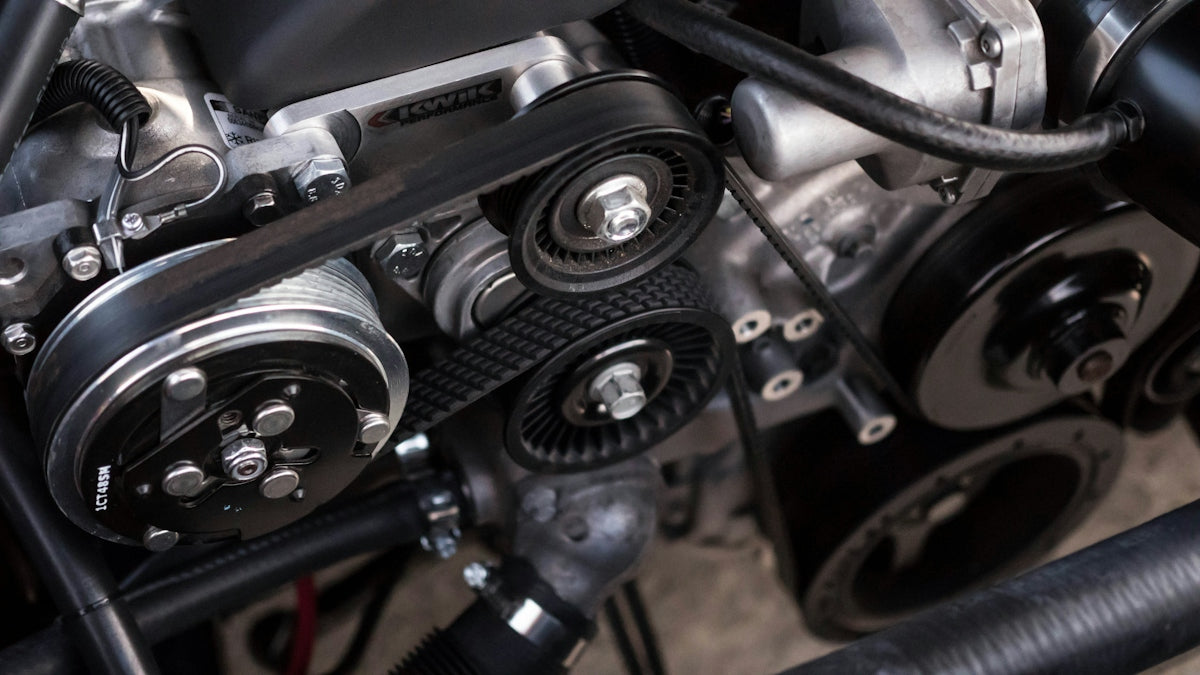
Diesel engines have been a cornerstone in various industries for many years, celebrated for their efficiency and durability. From powering heavy machinery in industrial sectors to providing reliable transportation solutions, diesel engines offer a range of benefits that make them a popular choice. However, like any technology, they come with their own set of drawbacks. In this blog post, we will explore the key advantages and disadvantages of diesel engines.
Benefits of Diesel Engines
1. Fuel Efficiency
Diesel engines are renowned for their fuel efficiency. They typically use 15-20% less fuel than their gasoline counterparts, translating to cost savings over time. This efficiency arises from the higher energy content of diesel fuel and the engine’s compression ignition process, which is inherently more effective.
2. Durability and Longevity
One of the main selling points of diesel engines is their robust design and construction. They are built to withstand high combustion pressures, which often results in longer engine life and lower maintenance requirements. This durability makes them suitable for heavy-duty applications and long-haul transportation.
Products like the Parker Racor CCV System are designed to enhance the performance and longevity of diesel engines by managing crankcase emissions effectively.
3. Torque and Power
Diesel engines are capable of generating significant torque at low RPMs, making them ideal for tasks requiring high pulling or towing power. This characteristic is particularly beneficial in industries like shipping, trucking, and agriculture, where heavy-duty operations are common.
Drawbacks of Diesel Engines
1. Initial Cost
While diesel engines save money in fuel and maintenance over time, they generally come with higher upfront costs than gasoline engines. This initial investment can be a barrier for some users who prioritize short-term savings over long-term benefits.
2. Emissions and Environmental Impact
Diesel engines, despite being more efficient, have been criticized for their emissions. They produce higher levels of nitrogen oxides and particulates, which have environmental and health repercussions. However, advancements in filtration technology can mitigate these effects. For instance, products such as the Parker Racor 79804 MA FF/WS Assembly and Hengst fuel filter are designed to help reduce emissions by effectively filtering out contaminants.
3. Noise and Vibration
Diesel engines are traditionally noisier and produce more vibrations than gasoline engines. While advancements in engine design have reduced these issues, they can still be a concern in environments sensitive to noise pollution.
Conclusion
Diesel engines offer numerous benefits, particularly in terms of fuel efficiency, durability, and power. However, potential buyers should weigh these advantages against the costs and environmental impact. With the right technologies and products, such as efficient fuel filters, these drawbacks can be effectively managed, making diesel engines a formidable choice for many applications.
For more information on products that support diesel engines, visit Diesel Filters Online.